Business Fleets
RV Rental Fleet Repair and Turnaround Support
In short
RV rental fleet repair is a turnover problem before it is a repair problem. Every day a unit sits is a booking you cannot fill, and every scratch a renter leaves is either documented or absorbed. We handle rental operators in Westminster and across Orange County with fast cosmetic cycles, damage documentation renters and carriers accept, and staged peak season readiness.
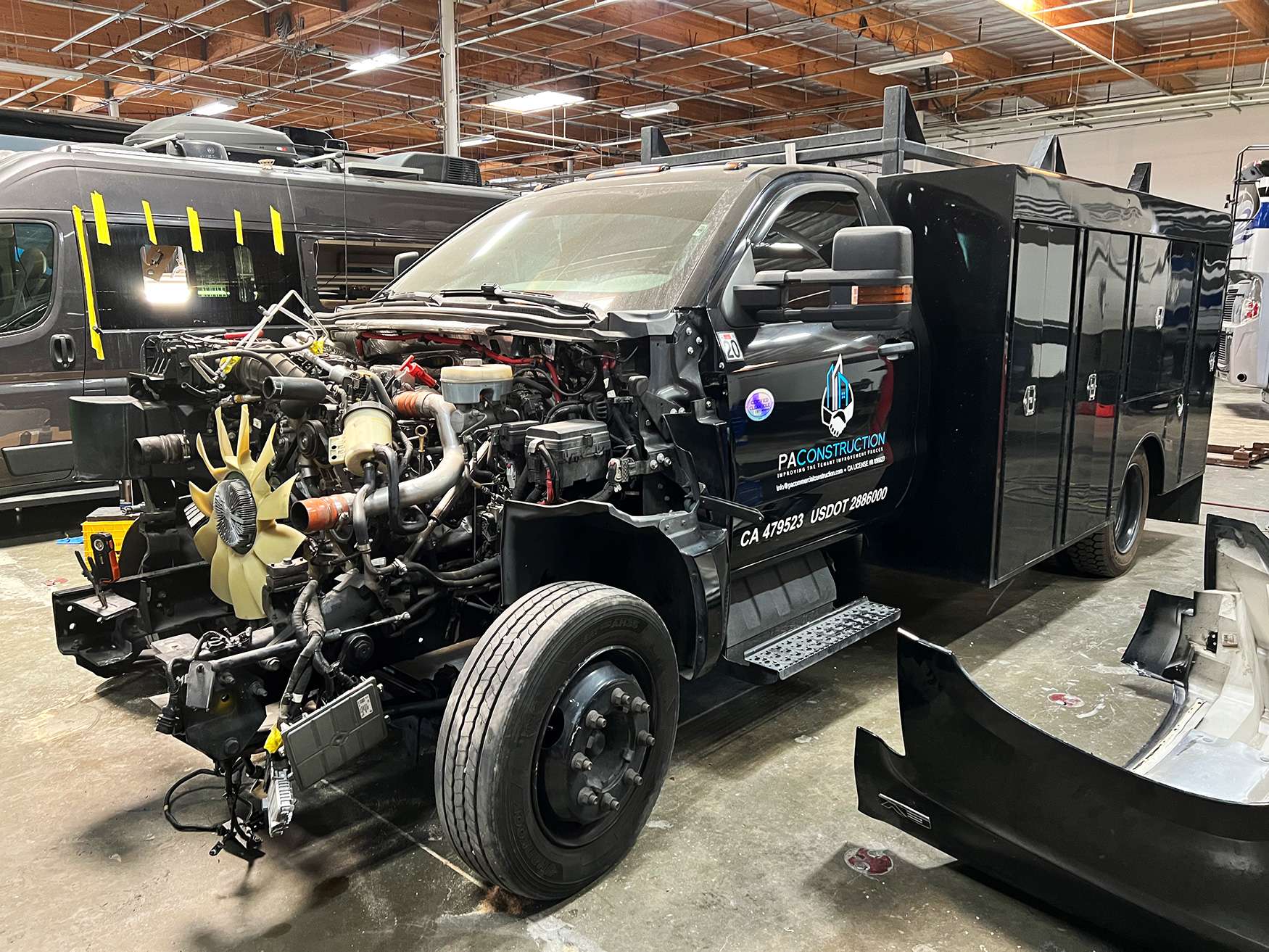
RV rental fleet repair has one governing constraint: a unit in a bay earns nothing. Rental operators in Westminster and throughout Orange County run on utilization, and utilization dies when a coach sits waiting on a cosmetic repair that should have taken three days. Our shop structures rental work differently than owner work. Faster cosmetic cycles, damage documentation you can hand to a renter or a carrier, and scheduled off season blocks so the fleet is listing ready when demand arrives.
Turnaround Is the Entire Business
A rental coach makes money on a schedule. Miss a weekend and that revenue does not come back later in the season, because the weekend itself was the inventory. This is why rental operators and private owners want completely different things from a repair shop. A private owner will happily wait three weeks for a perfect finish on a coach they use twice a year. A rental operator would rather have an acceptable finish in four days and put the unit back on the line.
We plan rental work against booking calendars rather than against our own convenience. Give us your reservation schedule and we will tell you which repairs fit inside existing gaps and which ones need a dedicated block. Small cosmetic items batched into a single visit almost always beat five separate trips spread across a quarter, and the difference shows up directly in utilization as well as in your staff time spent shuttling units back and forth.
Across roughly 75 vehicles a month, we have the bay capacity and the parts pipeline to absorb rental volume without pushing your units to the back of the queue behind retail work. That capacity is the reason a rental repair here does not turn into an open ended hold. It is also why we can usually give you a date at authorization rather than a vague assurance that we will call when the unit is ready.
Documenting Damage Between Renters
The hardest money in rental operations is damage recovery, and it is hard mostly because documentation is thin. A renter returns a coach, your staff does a walkaround in fading light at the end of a long day, and three days later somebody notices a gouge that nobody can date with any confidence. At that point the charge is a dispute rather than a recovery, and disputes are expensive even when you win them.
We produce repair documentation designed specifically to survive that dispute. Dated photographs from consistent repeatable angles, damage descriptions written in plain language rather than shop shorthand, measurements where they matter, and an itemized repair scope that ties each line to a specific damage point. If you are charging a renter or filing on a policy, that package is the thing that makes the claim stick instead of unraveling under a phone call.
We also flag pre existing damage whenever we see it. If a panel shows an older repair underneath the new one, we say so in writing. That protects you from charging a renter for something that predates their reservation, which is the fastest way to lose a chargeback, generate a public complaint, and damage a reputation that took years to build. Honest documentation cuts both directions and that is exactly what makes it useful.
- Dated photographs from repeatable angles for every damage point
- Written descriptions that separate new damage from prior repair
- Itemized scope tying each repair operation to a specific incident
- Measurements and teardown findings where damage runs deeper
- Documentation formatted for renter chargebacks or carrier submission
Cosmetic Standards a Listing Has to Meet
Rental customers book from photographs and then arrive with those photographs in mind. A coach with mismatched panel paint, faded decals, or a scuffed entry area converts worse than an identical unit that looks cared for, and it generates noticeably more complaints on arrival because the customer feels they received something worse than advertised. Cosmetic condition is a marketing asset in this business rather than a vanity item.
We work to a listing standard rather than a minimum standard, and the difference is specific. Color matched panel work rather than a visibly blended patch, decal and graphic replacement rather than partial removal that leaves an outline, and deliberate attention to the high visibility zones renters actually photograph: the entry door, the awning side, the galley, and the bed area. Those four zones drive most of the impression a unit makes.
It also means being realistic about what is worth doing on a given unit. On an older coach approaching the end of its rental life, a full repaint rarely pays back before the unit exits the fleet. Spot correction and targeted refinishing usually does pay back, and quickly. We will tell you which one your unit is, because keeping your fleet economics working is worth more to us than selling a large job that does not return its cost.
- Color matched panel repair rather than a visible blended patch
- Decal and graphic replacement instead of partial removal
- Priority on entry, awning side, galley, and sleeping areas
- Interior surface and upholstery correction for listing photographs
- Honest guidance on when a full repaint will not return its cost
Getting the Fleet Ready Before Peak Season
Rental demand is seasonal and highly predictable, which means readiness work is entirely schedulable. The operators who struggle every year are the ones who discover in the first week of peak that six units need attention and no shop in the region has capacity. The operators who do well book their deferred cosmetic and mechanical work into the shoulder season deliberately, months before anyone is competing for a bay.
We block off season capacity for rental fleets. You give us the unit list and your condition notes, we assess each one, and we produce a prioritized plan showing cost and expected downtime by unit. You decide what gets done in this cycle and what rolls forward to the next. The point of the exercise is that the decision happens in advance while you still have options, rather than in July when you have none and every choice is expensive.
Off season work also lets us batch efficiently. Ten units moving through the paint booth in a planned sequence costs less per unit and consumes less total calendar time than ten separate emergency visits spread across the year. That difference is real money, and it is money most operators leave on the table simply because the planning conversation never happened early enough to matter.
- Pre season condition assessment across the full unit list
- Prioritized repair plan with cost and downtime by unit
- Batched paint and refinishing work for lower cost per unit
- Deferred mechanical items cleared before demand peaks
- Roof, seal, and awning inspection ahead of the travel season
Handling Several Units at Once
Multi unit intake is a logistics exercise before it is a repair exercise. Units arrive together, get assessed together, and then need to leave on a staggered schedule so your fleet is never entirely off the line at any point. We stage that deliberately rather than working everything in parallel. The units with the longest lead time parts start first so their waiting overlaps with other work, and the quick cosmetic jobs fill the gaps around them.
Each unit gets its own file, its own photographs, and its own line itemized scope, but you receive a consolidated view across the whole batch. That matters when you are deciding how much of the plan to authorize in a given quarter and which units justify the spend. One invoice per unit keeps your accounting clean, and one summary document keeps the authorization decision from requiring you to read eight separate estimates.
We also coordinate transport logistics with you rather than assuming you will shuttle units one at a time on your own schedule. For an operator with a small staff, the driving time alone can exceed the actual repair time on a batch of cosmetic jobs, and that hidden labor cost is one of the main reasons deferred work stays deferred until it becomes a real problem.
Recovering the Cost of Renter Caused Damage
Renter damage falls into predictable buckets that experienced operators recognize immediately. Awning damage from wind or from driving away with it extended. Roof damage from a low clearance nobody saw. Sidewall scrapes from tight campsites and tighter turns. Interior damage from pets or from overloading. Slide damage from operating the mechanism against an obstruction. Each carries a different repair cost and a different documentation requirement for recovery.
For recovery to work at all, the damage has to be attributable, and attribution comes from condition records at checkout and return. We support that by producing repair documentation clean enough to sit alongside your own records without contradicting them. If your checkout photographs are solid and our repair documentation is solid, the recovery conversation with a renter is short and it usually ends the way it should.
Where damage exceeds a renter deposit and involves a policy, we prepare the file accordingly with photographs, measurements, and teardown findings attached. We work with adjusters regularly on recreational vehicle losses, and a well documented scope moves through review substantially faster than a thin one does. Reach us at (949) 799-3387 or info@ocrvcenter.com to set up fleet intake and agree on a documentation format.
Questions
Frequently asked questions
How fast can you turn around a cosmetic repair on a rental unit?
Faster than a comparable owner job, because we schedule rental work against your booking calendar rather than treating it as routine intake. Straightforward cosmetic repairs such as a panel scuff, a decal replacement, or a minor sidewall scrape typically move in a matter of days when the unit arrives on a scheduled slot with the parts already sourced. The way to get speed is advance notice. Send photographs when the damage is discovered, not when the unit arrives, and we can have materials staged before it rolls in.
Can you document damage well enough to charge a renter?
That is exactly what our rental documentation is built for. You get dated photographs from consistent angles, written damage descriptions in plain language, measurements where relevant, and an itemized scope tying each repair operation to a specific damage point. We also identify pre existing damage or prior repair when we find it, which protects you from charging a renter for something that predates their reservation. Combined with your own checkout and return records, that package is what makes a chargeback or a claim hold up under challenge.
Do you offer scheduled off season blocks for a rental fleet?
Yes, and it is the single most effective thing a rental operator can do to control repair cost. You supply the unit list and condition notes, we assess the fleet, and we produce a prioritized plan showing cost and expected downtime per unit. You decide what gets authorized in this cycle. Batching paint and refinishing work across multiple units lowers cost per unit and shortens total calendar time compared to handling the same units as separate emergency visits during peak demand.
Should I repaint an older rental unit or just spot repair it?
Usually spot repair, and we will tell you which case you are in rather than selling the larger job by default. A full repaint on a unit approaching the end of its rental life rarely returns its cost, because the booking premium it generates does not close the gap before the unit exits the fleet. Targeted refinishing of high visibility zones, meaning the entry side, the awning side, and anything that appears in your listing photographs, usually does return. Fleet economics drive that recommendation, not shop revenue.
How do you handle multiple units arriving at the same time?
We stage the batch so your fleet is never entirely off the line. Units needing long lead parts start first, and quick cosmetic work fills the gaps around them, which produces a staggered release schedule rather than a single return date. Each unit carries its own file, photographs, scope, and invoice for your accounting, while you receive a consolidated summary across the batch for authorization decisions. We also coordinate transport sequencing with you, since shuttle driving time frequently exceeds actual repair time on cosmetic batches.
What renter caused damage do you see most often?
Awning damage leads the list, usually from wind or from driving away with it extended. After that comes roof damage from low clearances, sidewall scrapes from tight campsites and turns, slide mechanism damage from operating against an obstruction, and interior damage from pets or overloading. Each has a distinct repair path and cost profile. Knowing the pattern helps operators price their damage waivers realistically and brief renters on the specific behaviors that generate the most expensive outcomes.
Do you work directly with our insurance carrier on fleet losses?
Yes. We prepare scopes and supporting documentation for adjusters regularly on recreational vehicle losses, and a thorough file moves through review substantially faster than a thin one. For rental fleets we keep the documentation consistent across units so an adjuster reviewing several claims from the same operator is reading the same format each time. That consistency matters more than most operators expect, because it reduces the number of clarification requests that stall a file in review.
How do we get set up as a fleet account?
Call (949) 799-3387 or email info@ocrvcenter.com with your fleet size, unit mix, and typical seasonal pattern. We will set up an intake process that fits how you actually operate, including how you want documentation delivered and how you want invoicing structured across units. Assessments are paid and credited against an authorized repair, which for a fleet means the assessment cost on approved work becomes part of the repair rather than an additional line. Our shop has operated since 2015 and is licensed under BAR ARD00288521.
Keep reading
Related pages
Others we work with
Services we perform
Talk to a repair specialist today
Tell us what happened and we will tell you what the repair actually involves, what it costs, and how long it takes. We work directly with every major carrier and serve Westminster owners and fleets from our 35,000 square foot facility.
Posted labor rates are published on our prices page. Diagnostic and systems assessment fees are credited against an authorized repair.