Claim Situations
RV Total Loss vs Repairable
In short
An RV is declared a total loss when the estimated repair cost plus salvage value meets or exceeds the vehicle's actual cash value, or a percentage threshold the carrier applies. RVs total more easily than cars because depreciation is steep and structural repairs are labor intensive, so a coach can reach the threshold on damage that looks moderate. Westminster owners who disagree with a valuation can challenge it with comparable listings, documented condition, and an itemized review of the valuation report.
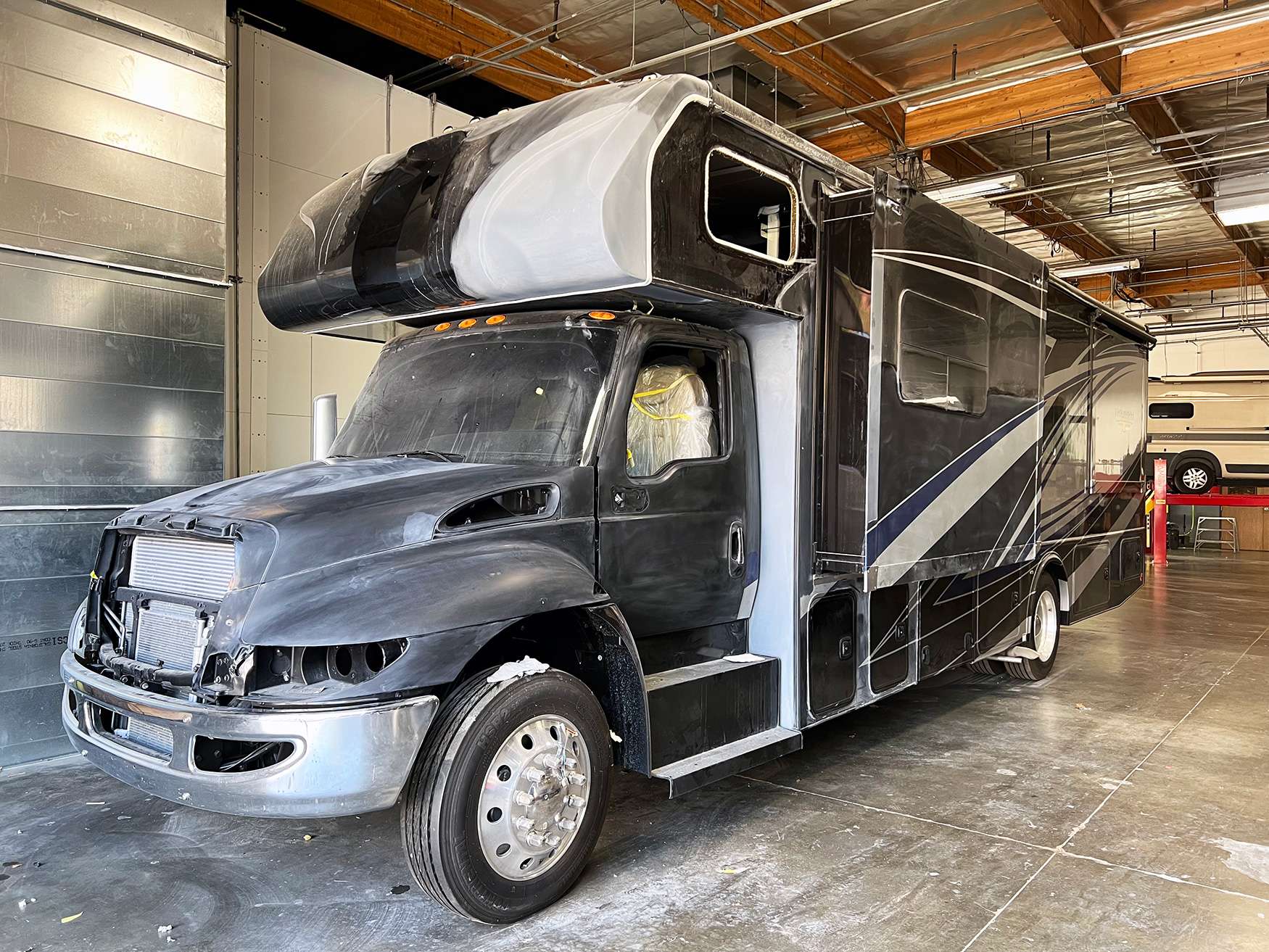
The difference between an rv total loss vs repairable outcome is arithmetic, not judgment. The carrier compares the estimated repair cost against the vehicle's actual cash value, adds salvage value into the calculation, and applies a threshold. If the repair number clears it, the unit is totaled and you are paid its value instead. Recreational vehicles reach that threshold far more easily than cars, and understanding why gives you room to act.
How the Total Loss Calculation Actually Works
The carrier establishes the vehicle's actual cash value, meaning what the unit was worth immediately before the loss in its actual condition. It then compares that against the estimated cost to repair. Where the repair cost approaches or exceeds the value, the vehicle is declared a total loss, and instead of repairing it the carrier pays the value less your deductible and takes the unit.
Most carriers apply a threshold rather than a strict comparison, and the salvage value is part of the equation. The common form is that repair cost plus salvage value meeting or exceeding actual cash value triggers a total loss. Some carriers use a fixed percentage of value, and thresholds vary. Some states impose their own rules on when a vehicle must be branded. The threshold matters because it means a vehicle does not have to be unrepairable to be totaled. It only has to be uneconomic to repair. Plenty of totaled recreational vehicles are entirely repairable in a technical sense. The carrier simply is not obligated to spend more restoring the unit than the unit was worth.
- Actual cash value of the unit immediately before the loss
- Estimated repair cost including anticipated supplements
- Salvage value the carrier expects to recover
- Carrier threshold, commonly a percentage of value
- State branding rules that may apply independently
- Deductible subtracted from the settlement
What Does Actual Cash Value Mean on an RV?
Actual cash value is what the unit was worth immediately before the loss, in the condition it was actually in, in the market where it would be sold. It is not what you paid, not what you owe, and not what it would cost to replace with something comparable today. That gap is where most total loss disagreements originate. Carriers establish it using valuation reports drawn from comparable sales and listings, adjusted for mileage or engine hours, condition, options, and the specific floor plan.
On recreational vehicles this is harder than on cars, because the population of genuinely comparable units is small. A specific floor plan, in a specific model year, with a particular option package, may have only a handful of comparable sales in a wide area. Some policies use agreed value or replacement cost instead, and the difference is substantial. Agreed value fixes the settlement amount when the policy is written, removing depreciation from the conversation. Replacement cost pays to replace with a comparable new or equivalent unit under defined terms. Both cost more in premium and both are worth understanding before a loss. Find out which one your policy uses today, not after an accident.
Why an RV Totals Differently Than a Car
Three factors combine, and together they explain why owners are so often shocked by a total loss determination on damage that looks moderate. The first is depreciation. Recreational vehicles depreciate steeply, particularly in the early years, and far faster than the loan on them amortizes. A unit that cost a great deal new may be worth substantially less a few years later, which lowers the ceiling that repair costs have to reach.
The second is repair cost structure. RV repairs are labor intensive in a way automotive repairs are not. A laminated sidewall is not a bolt on panel. Repairing it means removing interior finishes, exposing framing, replacing structural members, rebonding lamination, refinishing, and restoring seals, plumbing, and wiring runs that pass through the area. A single sidewall repair can involve hundreds of labor hours.
The third is parts. Components are produced in small runs for specific model years, and pricing reflects that. A structural panel or a slideout assembly can carry a price that would be unthinkable for an equivalent automotive component, and long lead times add storage cost to the file while the vehicle waits. Add those together and a coach with a corner impact and lamination separation across one wall can generate a repair estimate that clears the threshold on a unit that still looks broadly intact. That is the situation owners find hardest to accept, and it is entirely ordinary.
- Steep early depreciation lowering actual cash value
- Labor intensive structural repair on laminated construction
- Small production run parts with high replacement cost
- Long lead times adding storage and administrative cost
- Interior finish removal required to access structural damage
- Multiple systems affected by a single impact
What Happens to the Title After a Total Loss
When a carrier settles a total loss, it normally takes ownership of the vehicle and the title is branded. In California that produces a salvage designation, and the practical consequences are permanent and significant. A salvage branded unit is worth substantially less than a clean titled equivalent regardless of the quality of any repair. Financing becomes difficult, and many lenders will not write against a branded title at all. Insuring it is harder, and some carriers will decline physical damage coverage entirely or write only liability. Resale is limited to a narrower buyer pool that prices the brand accordingly.
If you retain the vehicle rather than surrendering it, the process involves the branding, an inspection requirement in many cases, and registration steps that vary. This is an area where you should confirm current requirements with the state directly, because they change and because the details matter. The brand follows the vehicle permanently through every subsequent sale. This is worth weighing carefully against any short term math on a retained unit, because a decision that looks favorable today can be expensive at resale years later.
Should I Keep My Totaled RV or Let It Go?
You usually have the option to retain the vehicle. When you do, the carrier pays the settlement less your deductible and less the salvage value it would have recovered, and you keep the unit with a branded title. Whether that is sensible depends on facts specific to your situation. It can make sense when the damage is genuinely localized and you can have it repaired properly for less than the salvage deduction plus the value gap, when the unit has a floor plan or configuration you cannot readily replace, or when you have significant undamaged aftermarket equipment installed. It can also make sense when you intend to keep the vehicle indefinitely and resale value is not a live concern.
It usually does not make sense when the damage is structural and extensive, when the repair cost was high enough to trigger the total in the first place with no significant error in the estimate, when you have a loan that will not accommodate a branded title, or when you plan to sell within a few years. Run the arithmetic on paper before deciding, and get a real repair assessment rather than an optimistic guess. Owners who retain a unit expecting a straightforward repair and then discover the true scope during teardown are in a genuinely difficult position, because the claim is closed and the cost is entirely theirs.
- Settlement amount less deductible and less salvage value
- A realistic repair assessment based on actual teardown scope
- Lienholder position and whether a branded title is acceptable
- Whether physical damage coverage will be available afterward
- Value of undamaged aftermarket equipment on the unit
- How long you intend to keep the vehicle
Disputing a Total Loss Valuation
The valuation is a report, and reports contain errors. Request the complete valuation report and read every line. It should list the comparable units used, the adjustments applied, and how each figure was derived. Owners are frequently entitled to this and frequently never ask. Check the comparables first. Are they genuinely comparable in floor plan, model year, mileage or engine hours, and option package.
Recreational vehicle valuations often reach for loose comparisons because close ones do not exist, and a comparable that differs in floor plan or drivetrain is not a comparable. Check the condition adjustments too, and check that the mileage or hours used are correct. Then build your counter evidence. Current listings for genuinely comparable units, ideally several, documented with dates and full details.
Documentation of the actual condition of your unit before the loss: recent service records, dated photographs, receipts for recent tires, appliances, or components. And documentation of aftermarket equipment with purchase and installation records, since valuation reports routinely omit installed equipment entirely. Submit it in writing as a request for reconsideration of the valuation, with numbered exhibits addressing specific line items in the report. Some policies also contain an appraisal provision, a defined contractual process for resolving disputes about the amount of loss. Read your policy to see whether yours does.
- The complete valuation report with all comparables listed
- Verification that comparables match floor plan and configuration
- Correct mileage, engine hours, and option package
- Current listings for genuinely comparable units with dates
- Service records and dated photographs establishing condition
- Aftermarket equipment documentation the report omitted
- Any appraisal provision your policy contains
When the Settlement Does Not Cover the Loan
Recreational vehicles depreciate faster than loans amortize, particularly on longer terms, so owners are commonly upside down. When a total loss settlement is less than the loan balance, the lender is paid first from the settlement and the remaining balance is still owed by you. Loan gap coverage, commonly sold as GAP, exists specifically for this, purchased through the lender, the dealer, or occasionally as a policy endorsement. It addresses the difference between the settlement and the loan balance, subject to its own terms and exclusions. If you have it, notify the provider as soon as a total loss is declared, because there are usually filing requirements and time limits.
If you do not have it, the shortfall is yours. Options are limited and none of them are pleasant: paying it, negotiating with the lender, or rolling it into a subsequent loan, which starts the next unit upside down from day one. This is a good reason to check whether you carry that coverage now, while it is an abstract question.
Getting a Second Opinion on Repairability
Sometimes the estimate driving a total loss determination is simply wrong. An estimator unfamiliar with recreational vehicle construction can overstate scope as easily as understate it, and an inflated repair number produces a total loss on a unit that was economically repairable. A second assessment from a facility that repairs RVs regularly is worth obtaining when the determination surprises you, when the damage appears localized relative to the number, or when the estimate includes replacement of assemblies that are commonly repairable. It produces a written technical opinion on scope and method, which is a documented exhibit rather than an assertion.
It cuts both ways, and that is the point. An honest assessment sometimes confirms the total loss was correct, which is genuinely useful information because it lets you move forward on the settlement instead of spending two months disputing a number that was right. Our assessment is a paid inspection producing a written report, and the fee is credited against an authorized repair if the unit is repaired here.
Questions
Frequently asked questions
When is an RV considered a total loss?
When the estimated repair cost, usually combined with the salvage value the carrier expects to recover, meets or exceeds the vehicle's actual cash value, or a percentage threshold the carrier applies. Thresholds vary by carrier and some states impose their own branding rules independently. The important point is that a total loss does not mean the vehicle is unrepairable. It means repairing it costs more than the unit was worth, which is a very different statement. Plenty of totaled recreational vehicles are technically repairable. Because RVs depreciate steeply and structural repairs are extremely labor intensive, a coach can reach the threshold on damage that looks moderate from the outside, which is why these determinations surprise owners so often.
What is actual cash value on an RV insurance claim?
It is what the unit was worth immediately before the loss, in the condition it was actually in, in the market where it would sell. It is not what you paid, not what you still owe, and not what a comparable unit would cost today. Carriers establish it with valuation reports built from comparable sales and listings, adjusted for mileage or engine hours, condition, options, and floor plan. On recreational vehicles this is harder than on cars because genuinely comparable units are scarce, and reports often reach for loose comparisons. Some policies instead use agreed value, which fixes the settlement figure when the policy is written, or replacement cost. Find out which your policy uses now rather than after a loss, because the difference is substantial.
Why do RVs get totaled more easily than cars?
Three factors compound. Depreciation is steep, particularly in the early years, which lowers the value that repair costs have to reach. Repair cost structure is labor intensive in a way automotive work is not, because a laminated sidewall is not a bolt on panel: repairing one means removing interior finishes, exposing framing, replacing structural members, rebonding lamination, refinishing, and restoring the seals, plumbing, and wiring that pass through the area, easily hundreds of labor hours. And parts are produced in small runs for specific model years, so a structural panel or slideout assembly can carry a price that would be unthinkable for an equivalent automotive part. Together they mean a corner impact with lamination separation across one wall can clear the threshold on a unit that still looks broadly intact.
Can I keep my RV if it is declared a total loss?
Usually yes. When you retain the unit, the carrier pays the settlement less your deductible and less the salvage value it would otherwise have recovered, and you keep the vehicle with a branded title. Whether that is wise depends on specifics. It can make sense when the damage is genuinely localized, when the floor plan is hard to replace, when significant undamaged aftermarket equipment is installed, or when you intend to keep the unit indefinitely. It usually does not when the damage is structural and extensive, when a lienholder will not accept a branded title, or when you plan to sell within a few years. Get a real repair assessment before deciding, because discovering the true scope after the claim is closed leaves the entire cost with you.
What is a salvage title and how does it affect my RV?
A salvage brand is a permanent designation applied to the title when a vehicle is declared a total loss, and in California it follows the unit through every subsequent sale. The consequences are significant and lasting. A salvage branded RV is worth substantially less than a clean titled equivalent regardless of how well it was repaired. Financing becomes difficult and many lenders will not write against a branded title at all. Insuring it is harder, and some carriers decline physical damage coverage entirely or offer liability only. Resale is limited to a narrower buyer pool that prices the brand accordingly. If you retain a totaled unit, there are typically inspection and registration requirements as well, and those change, so confirm current requirements with the state directly.
How do I dispute the value my insurance company put on my RV?
Start by requesting the complete valuation report and reading every line. It should list the comparable units used, the adjustments applied, and how each figure was derived. Check whether the comparables genuinely match your floor plan, model year, mileage or engine hours, and option package, because recreational vehicle valuations frequently reach for loose comparisons when close ones do not exist. Verify the mileage and condition adjustments are correct. Then build counter evidence: current listings for genuinely comparable units with dates and full details, service records and dated photographs establishing your unit's condition, and documentation of aftermarket equipment, which valuation reports routinely omit entirely. Submit it in writing as a request for reconsideration with numbered exhibits addressing specific line items. Check whether your policy contains an appraisal provision.
What if my total loss settlement is less than what I owe?
The lender is paid first from the settlement and the remaining balance is still owed by you. This is common on recreational vehicles because they depreciate faster than loans amortize, particularly on the longer terms that RV financing often uses. Loan gap coverage, commonly sold as GAP, exists specifically to address the difference between the settlement and the loan balance, and it is purchased through the lender, the dealer, or occasionally as an endorsement. If you have it, notify the provider immediately once a total loss is declared, because there are filing requirements and time limits. If you do not, the shortfall is yours, and the options are paying it, negotiating with the lender, or rolling it into the next loan, which starts the next unit upside down from the start.
Does my aftermarket equipment get included in a total loss settlement?
It should, but only if the carrier knows about it and the policy reflects it. Valuation reports are built from comparable units, and comparables do not have your solar array, lithium bank, inverter, suspension upgrade, or interior conversion. Those additions are routinely omitted from the initial valuation entirely. Submit documentation as part of the valuation review: purchase receipts, installation invoices, dated photographs of the equipment installed and working, and any appraisal for high value custom work. Understand that a base policy commonly covers permanently attached equipment only up to a stated limit, which a substantial buildout can exceed. The way to prevent that outcome is a declared value or agreed value endorsement arranged with your agent before a loss, not a documentation package submitted after one.
Should I get a second opinion if my RV was declared a total loss?
It is worth doing when the determination surprises you, when the damage looks localized relative to the repair number, or when the estimate replaces assemblies that are commonly repairable. An estimator unfamiliar with recreational vehicle construction can overstate scope as easily as understate it, and an inflated repair figure produces a total loss on a unit that was economically repairable. A written assessment from a facility that repairs RVs regularly is a documented technical opinion rather than an assertion, and it addresses method and scope directly. It also cuts the other way, which is genuinely useful: an honest assessment sometimes confirms the total loss was correct, which lets you move forward on the settlement instead of spending two months disputing a number that was right.
Keep reading
Related pages
More on insurance
Services we perform
Talk to a repair specialist today
Tell us what happened and we will tell you what the repair actually involves, what it costs, and how long it takes. We work directly with every major carrier and serve Westminster owners and fleets from our 35,000 square foot facility.
Posted labor rates are published on our prices page. Diagnostic and systems assessment fees are credited against an authorized repair.