Claim Situations
RV Insurance Claim Denied Appeal Options in Westminster
In short
A denied RV insurance claim can be submitted for reconsideration, and the path runs through the specific policy provision cited in the denial letter rather than through argument. Read the letter for the exact exclusion or condition named, then assemble documentation that addresses that provision directly: dated photographs, maintenance records, a professional damage assessment, and evidence of the loss date. If reconsideration fails, California owners can file a complaint with the state insurance regulator, though no process produces a certain outcome.
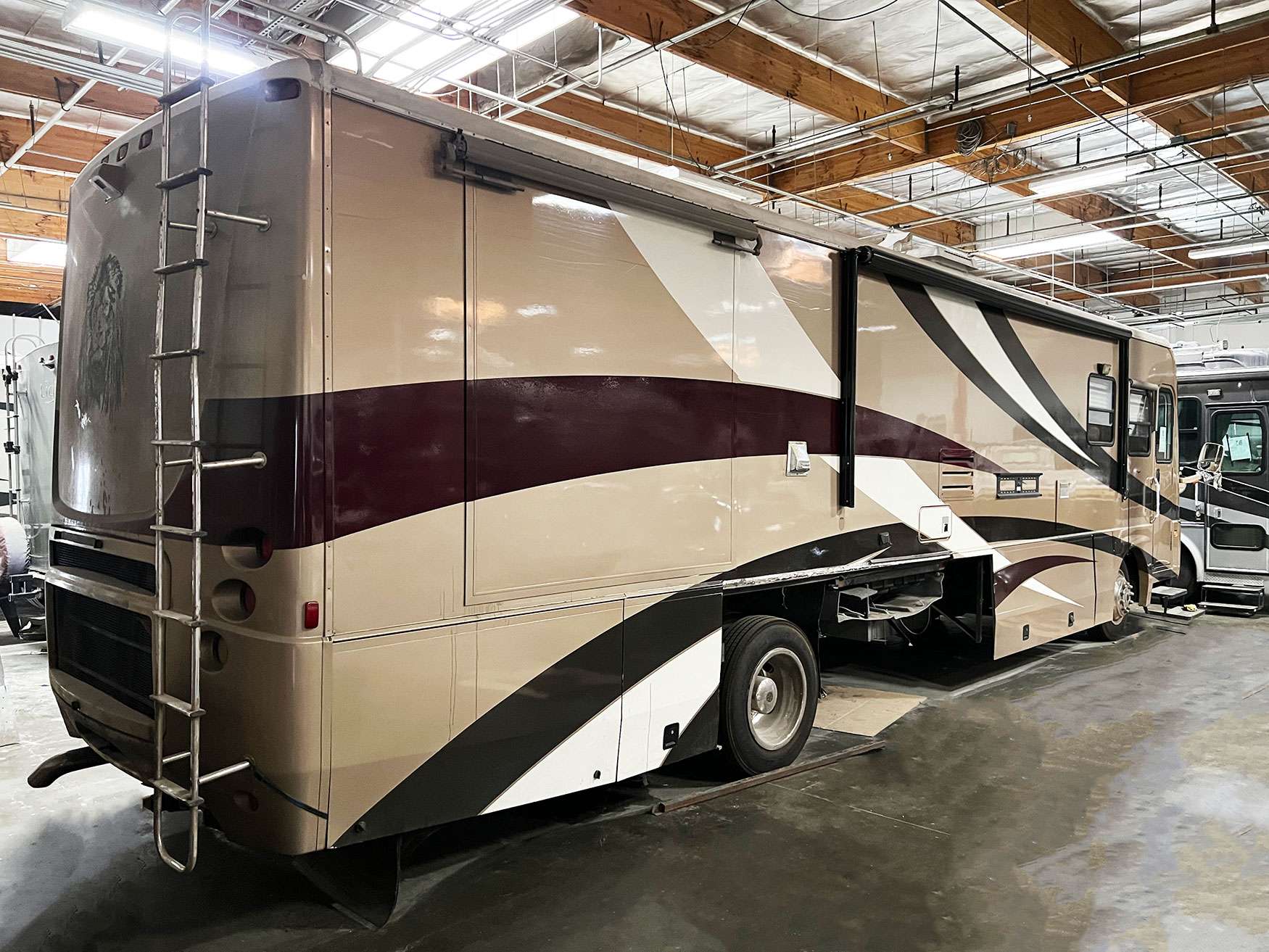
When an rv insurance claim denied appeal is on the table, the first thing to understand is that a denial is a written position tied to a specific policy provision, not a final verdict and not a judgment about you. It cites language. Reconsideration works by addressing that language with evidence. This page explains what a denial letter actually contains, how to read it, what documentation moves a file, and where the process ends. Nothing here is legal advice and no outcome is predictable.
Why RV Claims Get Denied
Most denials fall into a small number of categories, and the largest by a wide margin is the sudden and accidental threshold. Physical damage coverage responds to identifiable events at a point in time. Water intrusion through a failed sealant bed, rot in a substrate, and delamination that developed over seasons all fail that test, and adjusters can read duration from staining rings, rot progression, and corrosion patterns.
The second category is exclusion based. Wear and tear, deterioration, mechanical breakdown, manufacturing defect, mold, insect and rodent damage, and losses during undisclosed commercial use are all excluded or limited on most policies. A denial here is not a dispute about whether damage exists. It is a position that the damage is a type the policy never covered. The third category is procedural.
Late notice, insufficient documentation, failure to mitigate, failure to cooperate with the investigation, or a lapse in premium at the date of loss. These are the most frustrating denials because the damage may be plainly covered in principle, and they are also the ones most often resolved, because a procedural problem can sometimes be cured with information. A fourth and smaller category is scope rather than coverage. The carrier accepts the claim but declines specific line items as unrelated, pre existing, or outside the covered scope. That is a partial denial and it is handled as a supplement dispute rather than an appeal.
- Gradual damage failing the sudden and accidental test
- Named exclusions such as wear, defect, mold, or vermin
- Late notice or delayed reporting of the loss
- Insufficient documentation to establish cause or date
- Failure to mitigate after the loss occurred
- Undisclosed use, modification, or a lapse at the date of loss
- Specific line items declined as unrelated or pre existing
What a Denial Letter Actually Says
A denial letter is a formal document with a predictable structure, and reading it carefully is the entire first step. It identifies the claim, states the date of loss, describes the damage as the carrier understands it, and then does the important part: it quotes or cites the specific policy provision on which the denial rests. That citation is the whole file.
It tells you exactly what has to be addressed. A denial citing a wear and tear exclusion is a different problem from one citing late notice, which is different again from one citing failure to establish a covered cause. Owners who respond with general frustration rather than to the cited provision get nowhere, because nothing they submit speaks to the stated basis.
The letter also usually summarizes the investigation: what was inspected, when, by whom, and what was concluded. Read that section for factual errors, because they are common and they are the most productive thing to correct. A wrong date of loss, a mischaracterized cause, an inspection that missed an area, or a conclusion drawn from an incomplete look at the vehicle are all correctable with evidence. Finally it should describe how to request reconsideration and often mentions the state regulator. Note any stated timeframe and work well inside it.
How Do I Read a Denial Letter Properly?
Work through it in four passes rather than reading it once with rising blood pressure. First pass: find and highlight the exact policy provision cited. Write it down separately. That sentence defines everything that follows. Second pass: list every factual assertion the letter makes. The date of loss, what the adjuster inspected, what they observed, what they concluded about cause and timing. Treat each as a claim that is either accurate or not.
Third pass: mark which assertions you can contradict with evidence you already have or can obtain. A stated date of loss that is wrong, a conclusion that a condition is old when you have dated photographs showing the area intact three months earlier, an inspection that never opened a wall. Fourth pass: identify what is not contested. Some part of the letter is usually correct, and conceding it plainly makes the rest of your position stronger. A response that disputes everything reads as noise. A response that says these three facts are accurate and this one is not, here is the documentation, reads as a file worth reopening.
- Highlight the exact policy provision cited
- List every factual assertion the letter makes
- Mark which assertions evidence can contradict
- Note what you agree with and say so
- Record the date of the letter and any stated deadline
- Request the complete claim file and the adjuster report
Documentation That Supports Reconsideration
Reconsideration is won or lost on evidence, and the evidence has to speak to the cited provision. Generic documentation submitted in bulk accomplishes nothing. For a denial based on gradual damage, the useful evidence establishes a date. Dated photographs showing the area intact before the loss. Weather records for the date of loss. A police or incident report. Witness statements. Service records showing the roof or seals were inspected and sound shortly before. A professional assessment describing damage characteristics consistent with a recent event rather than long term exposure.
For a denial based on deferred maintenance, the useful evidence is the maintenance record itself: sealant receipts, dated inspection photographs, shop invoices, and a written log. For a late notice denial, the useful evidence explains the delay: when you discovered the damage, why it was not visible earlier, and what you did immediately upon discovery. A written technical assessment from a facility that repairs recreational vehicles carries weight in all of these, because it addresses the physical evidence directly. Our assessment is a paid inspection producing a documented written report, and the fee is credited against an authorized repair. What it cannot do is change what the evidence shows.
- Dated photographs establishing pre loss condition
- Weather records and incident reports for the date of loss
- Maintenance receipts, service invoices, and inspection logs
- A written technical assessment of damage characteristics
- Manufacturer repair procedures relevant to the disputed method
- Witness statements or third party observations
- A written explanation of any delay in discovery or reporting
How to Submit a Reconsideration Request
Put it in writing, always, and address it to the desk adjuster who owns the file with a copy to the claims supervisor. Reference the claim number and the date of the denial letter in the first line. A phone call may be a reasonable opening, but the request itself needs to exist as a document. Structure it plainly. State that you are requesting reconsideration.
Identify the specific provision cited in the denial. State what you agree with. Then address the cited provision point by point, referencing each attached exhibit by name. Close by stating what you are asking for: a reinspection, a review of new documentation, or reconsideration of a specific line item. Attach the evidence as clearly labeled exhibits rather than a loose pile of files.
Number them, describe each in one line, and reference them by number in your text. An adjuster reviewing a reconsideration request has limited time, and a package that can be understood in ten minutes is more likely to be understood at all. Then follow up on a schedule and log every contact. If the response is slow or absent, escalate to a supervisor in writing referencing your submission date. Keep the tone factual throughout. Accusation produces defensiveness, and defensiveness produces slower files.
- Written request addressed to the adjuster and copied to a supervisor
- Claim number and denial letter date in the opening line
- Explicit acknowledgment of what is not disputed
- Point by point response to the cited provision
- Numbered and labeled exhibits referenced in the text
- A specific request stated at the close
- Scheduled follow up with every contact logged
Requesting a Reinspection or an Independent Assessment
A reinspection is often the most productive single request, particularly when the original inspection was performed on an intact vehicle and teardown has since exposed something different. A field adjuster standing in front of an opened wall resolves disagreements that months of correspondence would not. Ask for it specifically and give a reason. State what has changed since the original inspection, what is now visible, and what you want examined.
A request that says please look again is easy to decline. A request that says the sidewall is now open, the framing fracture is visible at these measurements, and here are photographs is much harder to. An independent assessment from a facility that repairs recreational vehicles is a separate tool. It produces a written technical report describing what the damage is, what caused it as far as the physical evidence indicates, and what the repair requires.
It does not bind the carrier and it does not decide coverage. It does put a documented professional position into the file, which is materially different from an owner's assertion. Some policies also contain an appraisal provision, a contractual process for resolving disputes about the amount of loss when coverage itself is not in question. Read your policy to see whether yours has one and what it requires, because it is a defined process rather than an informal option.
When Should I Contact the State Insurance Regulator?
California maintains a state insurance regulator that accepts consumer complaints about claim handling. It is a legitimate and commonly used channel, and filing costs nothing but time. The appropriate moment is after you have made a documented reconsideration request and either received no response within a reasonable period or received a response that does not address the documentation you submitted.
What a regulator complaint does is prompt a formal review of the carrier's handling and require a response. It is a claims handling oversight process. What it does not do is decide your claim, interpret your policy for you, or order a payment. Owners who expect it to function as an appellate court are disappointed, and owners who use it as a handling escalation often find it useful.
File it with your documentation attached: the denial letter, your reconsideration request, your exhibits, and your communication log. A complaint supported by a clear paper record is far more effective than a narrative. Keep it factual and chronological. There is a point beyond which this becomes a matter for professionals rather than process. If the amount is substantial, if the dispute involves policy interpretation rather than facts, or if the carrier's position has not moved after documented reconsideration and a regulator complaint, that is the point to consult a public adjuster or an attorney who handles insurance matters. We will say so plainly when we think a file has reached it.
- Complete a documented reconsideration request first
- File after no response or a response that ignores your evidence
- Attach the denial letter, your request, exhibits, and contact log
- Expect a handling review, not a coverage decision
- Keep the submission factual and chronological
- Consider a public adjuster or attorney when process is exhausted
What Nobody Can Promise You
No repair facility, no consultant, and no website can tell you how your claim will be decided. Anyone who does is either guessing or selling. Coverage determinations turn on your specific policy language, the physical evidence, the facts of the loss, and the carrier's assessment of all three, and those are not knowable in advance. What is knowable is what typically moves a file and what typically does not. Documentation that addresses the cited provision directly moves files. Dated evidence establishing when damage occurred moves files. A professional technical assessment moves files. Volume of correspondence does not. Frustration does not. Repeated phone calls without new information do not.
It is also worth being honest about the cases that will not move. When the physical evidence genuinely shows a condition developed over years, no documentation package changes that, and pursuing it consumes months you could spend getting the vehicle repaired. Knowing the difference between a claim worth appealing and a claim that was correctly denied is worth more than any appeal technique, and a proper assessment is usually what tells you which one you have.
Questions
Frequently asked questions
Can I appeal a denied RV insurance claim?
Yes. A denial is a written position tied to a specific policy provision, not a final verdict, and carriers have reconsideration processes. The path runs through the cited provision rather than through argument. Read the denial letter carefully and identify the exact exclusion or condition it names, then assemble documentation that speaks directly to that provision: dated photographs establishing pre loss condition, weather or incident records fixing the date of loss, maintenance receipts and inspection logs, and a written technical assessment of the damage characteristics. Submit a written reconsideration request to the desk adjuster with a copy to a supervisor, with numbered exhibits and a specific request. Follow up on a schedule and log everything. No process produces a certain outcome, and anyone promising one should be disregarded.
What does a denial letter actually tell me?
Four things, and the third is the one that matters. It identifies the claim and the date of loss. It describes the damage as the carrier understands it. It cites the specific policy provision the denial rests on, which defines exactly what any response has to address. And it usually summarizes the investigation: what was inspected, when, by whom, and what was concluded about cause and timing. Read that investigation summary closely for factual errors, because they are common and they are the most productive thing to correct. A wrong date of loss, a mischaracterized cause, or a conclusion drawn from an inspection that never opened a wall are all correctable with evidence. The letter should also explain how to request reconsideration and often references the state regulator.
Why did my insurance deny my claim when the damage is obvious?
Because denials are almost never about whether damage exists. They are about whether the damage is a type the policy covers and whether it arose the way coverage requires. The most common basis on RV claims is the sudden and accidental threshold: physical damage coverage responds to identifiable events at a point in time, and water intrusion through failed sealant, substrate rot, and long developing delamination fail that test regardless of how severe they look. Other common bases are named exclusions such as wear, mechanical breakdown, manufacturing defect, or mold, and procedural grounds such as late notice or insufficient documentation. The obviousness of the damage is not the question. The origin and timing are, and that is what any reconsideration has to address.
What documentation helps overturn a claim denial?
Evidence that speaks to the specific provision cited, not documentation in bulk. If the denial rests on gradual damage, you need evidence that fixes a date: dated photographs showing the area intact before the loss, weather records for the date in question, a police or incident report, witness statements, and service records showing the roof and seals were inspected and sound shortly beforehand. If it rests on deferred maintenance, you need the maintenance record itself: sealant receipts, dated inspection photographs, shop invoices, and a written log. If it rests on late notice, you need an explanation of when you discovered the damage and why it was not visible earlier. A written technical assessment from a facility that repairs recreational vehicles supports all of these by addressing the physical evidence directly.
How long do I have to appeal an RV insurance claim denial?
Check the denial letter first, because it often states a timeframe for requesting reconsideration, and separately check your policy for any provision governing disputes or suit limitations. Those periods vary by carrier and by policy, and they are the controlling answer for your situation. As a practical matter, act well inside whatever period applies rather than at its edge, because assembling documentation takes longer than owners expect, particularly when it involves obtaining service records, weather data, or a professional assessment. Delay also weakens the file in a second way: physical evidence changes, and a vehicle that sits with unrepaired damage for months develops secondary conditions that complicate the original question. Start immediately, even if you are still deciding whether to pursue it.
Should I get an independent inspection after a denial?
In most cases yes, because it converts your position from an assertion into a documented technical opinion. A written assessment from a facility that repairs recreational vehicles describes what the damage is, what the physical evidence indicates about its cause and timing, and what the repair requires. That is a materially different exhibit from an owner disputing a conclusion. It does not bind the carrier and it does not decide coverage, and it will not change what the evidence actually shows. That last point cuts both ways and it is useful: an honest assessment sometimes confirms the denial was correct, which saves you months of pursuing something that will not move. Our assessment is a paid inspection producing a written report, and the fee is credited against an authorized repair.
When should I file a complaint with the state insurance regulator?
After you have made a documented reconsideration request and either received no response within a reasonable period or received a response that does not engage with the documentation you submitted. California maintains a regulator that accepts consumer complaints about claim handling, filing costs nothing but time, and it is a legitimate and commonly used channel. Understand what it does. It prompts a formal review of the carrier's handling and requires a response. It does not decide your claim, interpret your policy, or order a payment. File with your full paper record attached: the denial letter, your reconsideration request, your numbered exhibits, and your communication log. A complaint supported by a clear chronological record is far more effective than a narrative account of frustration.
Can the repair shop fight my insurance company for me?
We can do the technical work, and that is a real and bounded role. We document damage thoroughly, prepare and file supplements with photographs, part numbers, and published manufacturer procedures, discuss repair method and scope directly with the adjuster, request reinspections, and escalate stalled decisions in writing with a documented contact log. That addresses disputes about scope and repair method, which is where a large share of RV claim friction actually lives. What we do not do is interpret your policy, negotiate coverage determinations that belong to you and your carrier, act as your legal representative, or predict outcomes. When a file involves a genuine coverage dispute rather than a scope dispute, that belongs with you, your agent, and if it comes to it, a public adjuster or an attorney.
What is a partial denial and how is it different?
A partial denial means the carrier accepted the claim but declined specific line items, usually as unrelated to the loss, pre existing, or outside the covered scope. It is far more common than an outright denial on RV claims, and it is handled differently. Rather than an appeal, it is a supplement dispute, resolved with the same evidence that supports any supplement: staged teardown photographs, measured damage, part numbers, and the published manufacturer repair procedure justifying the method. A reinspection is frequently the fastest resolution, because a field adjuster looking at an opened wall can verify in minutes what correspondence would take weeks to establish. Ask for the declined items to be itemized in writing with the reason for each, because a general decline cannot be addressed specifically.
Is it worth appealing if the damage happened a long time ago?
Often not, and an honest assessment is what tells you. When physical evidence genuinely shows a condition developed over seasons, staining rings, rot progression, corrosion patterns, and lamination separation all record that history, and no documentation package changes what the evidence shows. Pursuing it can consume months you could spend getting the vehicle repaired. Where an appeal is worth pursuing is when the timeline is genuinely contested: you have dated photographs showing the area sound recently, the damage has characteristics consistent with a recent event, or the carrier's investigation drew a conclusion from an inspection that never opened the affected area. Knowing which situation you are in is worth more than any appeal technique, and a paid professional assessment is usually the fastest way to find out.
Keep reading
Related pages
More on insurance
Services we perform
Talk to a repair specialist today
Tell us what happened and we will tell you what the repair actually involves, what it costs, and how long it takes. We work directly with every major carrier and serve Westminster owners and fleets from our 35,000 square foot facility.
Posted labor rates are published on our prices page. Diagnostic and systems assessment fees are credited against an authorized repair.