Blog
RV Insurance Claim Guides
In short
An RV insurance claim moves through five stages: first notice of loss, adjuster inspection, an initial visible damage estimate, one or more supplements once panels come apart, and final billing. Most delays come from hidden damage found during teardown rather than from paperwork. Owners who document early and answer carrier requests quickly shorten the middle of that timeline.
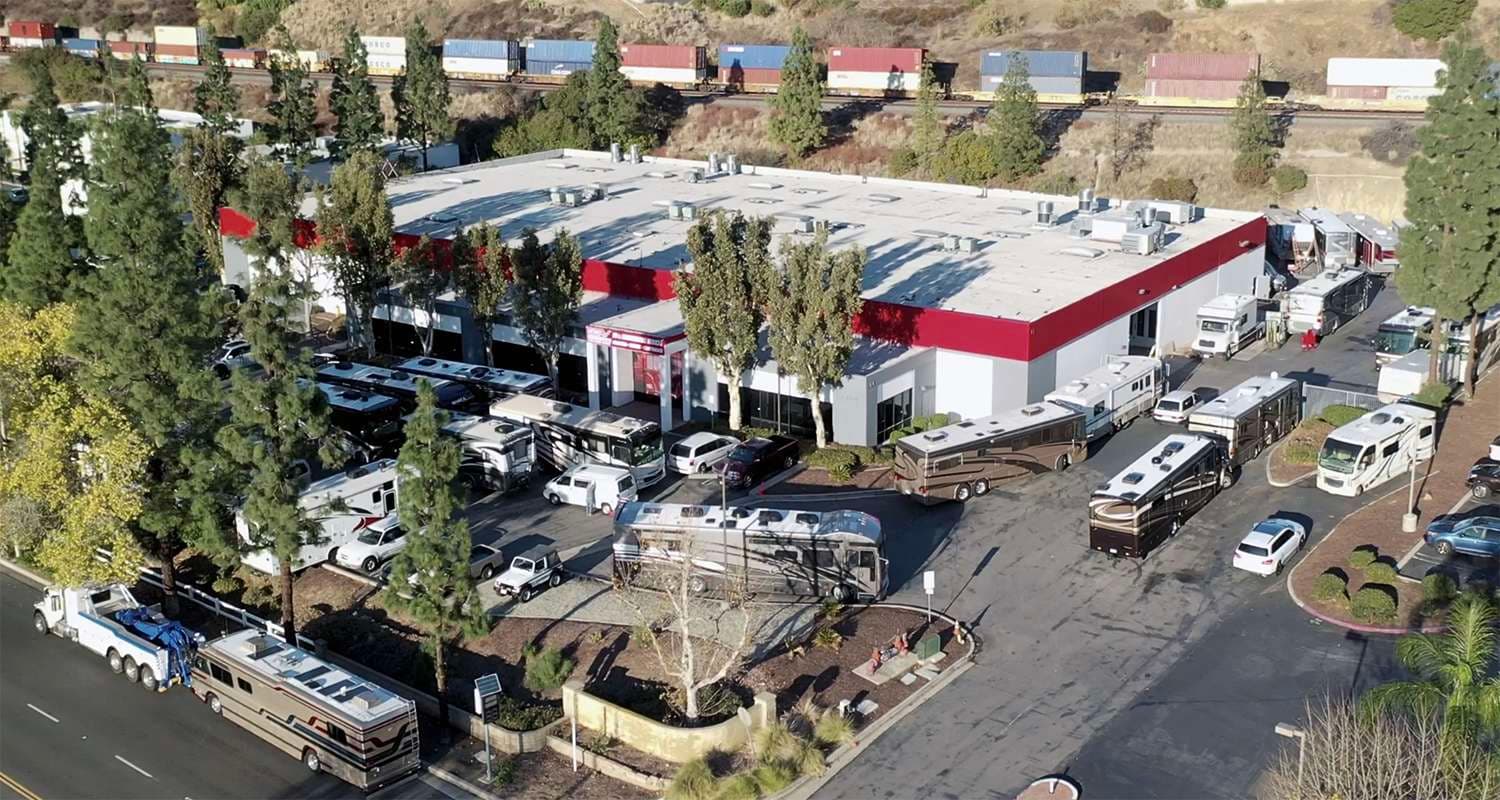
These rv insurance claim guides cover what happens between the moment you report a loss and the day the coach leaves the shop. Adjusters, estimators, and technicians all look at the same vehicle differently, and the gaps between those three views are where claims stall. The articles here walk through teardown findings, supplement requests, photo habits that protect you, and the questions worth asking a carrier before any repair work is authorized.
First 24 Hours
In the first hour, secure the scene, check for injuries, call for a report, and exchange information. In the next few hours, document everyt...
Read moreInsurance Claim GuidesSupplement Estimates
A supplement is a revision to the original repair estimate submitted after teardown reveals damage that could not be seen. On recreational v...
Read moreInsurance Claim GuidesDocumenting RV Damage
Document the vehicle before it moves, before anything is cleaned, and before you make the first call. Wide shots establish context, close sh...
Read moreInsurance Claim GuidesHail Damage Inspection
An adjuster inspecting an RV for hail looks for directional impact patterns, fractured or dented material at specific points, and collateral...
Read moreWhat Happens After You Report a Loss?
A claim opens the moment your carrier logs first notice of loss and assigns a claim number. That number follows the vehicle through every document that comes after it, so write it down before you hang up. Within a day or two an adjuster is assigned, and depending on the carrier and the severity, that adjuster either inspects in person, sends an independent appraiser, or works from photos you upload. Nothing is disassembled at this stage. The first estimate is a visible damage estimate, and on a recreational vehicle it almost always understates the job.
Visible damage estimates are written from the outside. On a laminated sidewall, the outside is a thin fiberglass skin bonded to foam and framing, so a scuff that reads as cosmetic can sit directly over a crushed stud or a wet core. Until a technician removes trim, drops a light fixture, and reads moisture through the wall, nobody knows the real scope. That is normal. The first estimate exists to open the file and authorize teardown, not to predict the final number.
- Claim number, adjuster name, and a direct phone line or email
- Date of loss and the address where the vehicle is currently stored
- Whether the policy is written on agreed value or actual cash value
- Deductible amount and whether it applies per loss or per unit
- Whether towing, storage, and roadside costs are covered line items
- Whether the policy includes any coverage for use of the vehicle while it is down
Why Do RV Claims Take Longer Than Car Claims?
Passenger car repair runs on a deep parts network. A common sedan bumper cover exists in a dozen warehouses, and an estimator can price it in seconds. Recreational vehicles do not work that way. Many sidewall panels, cap moldings, and slide fascia pieces are built for one floorplan across a short production run, and the manufacturer may be the only source. Lead times of several weeks are ordinary, and a discontinued part turns the job into fabrication, which is slower to price and slower to approve.
Process time is longer too. Structural adhesives cure on their own schedule, laminated panels have to sit under vacuum or clamp pressure, and a forty foot coach ties up a booth far longer than a car. Add the reinspection cycle that most carriers require before a supplement is approved, and a claim that looks simple on paper spreads across weeks. None of that is unusual, but nobody warns owners about it in advance.
How Do You Keep a Claim From Stalling?
Claims stall for three reasons: the carrier is waiting on the shop, the shop is waiting on the carrier, or both are waiting on a part. Only the first two are inside your control, and both respond to the same habit, which is fast and specific communication. Ask who owns the file, ask for that person's direct contact, and put every scope change in writing. A short email that says what was found, what it costs, and what you are asking for moves faster than three phone calls.
Authorize teardown early. Every day a damaged coach sits fully assembled is a day nobody can measure what is actually bent, wet, or delaminated. Once the structure is exposed and photographed, the supplement writes itself and the reinspection has something concrete to look at. Owners who wait to authorize teardown until the initial estimate is approved usually add one to two weeks to the calendar for no benefit. Teardown is also what turns a guess about scope into a documented finding.
- Name one contact who speaks for the owner and keep the carrier pointed at that person
- Answer adjuster requests within one business day, even if the answer is that you need more time
- Ask for supplement status in writing rather than by phone so there is a record
- Keep a running folder of photos, invoices, tow receipts, and storage bills
- Confirm parts order dates and expected arrival in the same message thread
How Should You Read a Carrier Estimate?
Read it as a list of decisions rather than a verdict. Every line names an operation, a number of hours, and a part, and each of those three is something a person chose. Look for what is missing before you look at the total. An estimate with no teardown time, no cover and mask time, and no structural measurement on a coach that took a hard hit is not a low estimate, it is an incomplete one. The number will move, and it is better to know that on day one than in week five.
Compare operations, not totals. Two documents can land within a few hundred dollars of each other and describe completely different repairs, one replacing a panel and one filling it. Ask why a line is written the way it is, and ask what the alternative would have been. Estimators expect that question from other estimators and almost never get it from owners, which is exactly why asking it changes the conversation.
- Whether teardown hours appear at all, and how many
- Whether structural measurement is written as its own operation
- Whether panels are listed as repair or replace, and the reasoning for each
- Whether paint includes blend time into adjacent panels
- Whether materials are itemized or folded into a single unexplained line
- Whether anything found during disassembly has a stated path to a supplement
Questions
Frequently asked questions
Do I have to use the repair facility my insurer recommends?
In most situations you choose where the vehicle is repaired. Carriers maintain networks of shops they have agreements with, and those referrals can be convenient, but a network listing is not a requirement written into a standard policy. What the carrier controls is what it will pay, not who holds the wrench. The practical consideration for a recreational vehicle is capability. A shop that turns out excellent sedan work may have no lamination press, no long booth, no chassis rack rated for a motorhome, and no experience reading a coach wall for moisture. Ask any facility how many RVs, trailers, or commercial trucks it works on in a normal month, what its measuring equipment is, and whether it has done your specific type of repair before. Capability matters more than the network sticker on the door.
What is the difference between an estimate and a supplement?
The estimate is the opening document. It lists the damage a person could see and price without taking anything apart, and it usually authorizes a limited amount of teardown. The supplement is the correction that follows once the vehicle is actually opened up. It adds parts, labor operations, and materials that could not be seen from the outside, and it is supported by photographs, measurements, and part numbers taken during disassembly. Supplements are routine on recreational vehicles because so much of the structure hides behind bonded skin and interior trim. A claim with two or three supplements is not a sign that something went wrong. It is a sign that the shop kept looking instead of guessing. Each supplement generally needs carrier review before the work it covers is authorized, so responsiveness on both sides drives the calendar.
Should I accept the first estimate the adjuster writes?
Accepting the first estimate as the final scope is the single most common owner mistake. That document was written before anything was disassembled, and on a laminated coach it reflects what could be seen from a walkaround. Treat it as an opening position that authorizes teardown, not as a settlement of the whole loss. What you are agreeing to is that the visible damage is priced fairly, not that the visible damage is all of the damage. Ask the adjuster directly whether the estimate includes hidden damage, and expect the honest answer to be no. Then confirm the supplement process in writing: who reviews it, how photos are submitted, and what the typical turnaround is. That one conversation prevents most of the arguments that show up four weeks later.
What documents should I keep during an open claim?
Keep everything, and keep it in one place. That means the claim number and adjuster contact information, the police or incident report if there is one, photos taken before the vehicle moved, tow and storage invoices, the original estimate and every supplement revision, parts invoices, and every email exchanged with the carrier. Photograph the odometer and the interior condition on the day the vehicle is dropped off. If the coach is a business asset, keep the records that show what it earns so any loss of use question can be answered with numbers rather than an opinion. A well organized file rarely changes the technical outcome of a repair, but it settles disputes about dates, authorizations, and who agreed to what, and those disputes are what actually delay payment.
Talk to a repair specialist today
Tell us what happened and we will tell you what the repair actually involves, what it costs, and how long it takes. We work directly with every major carrier and serve Westminster owners and fleets from our 35,000 square foot facility.
Posted labor rates are published on our prices page. Diagnostic and systems assessment fees are credited against an authorized repair.